

In today’s competitive market, the first impression can make or break a deal. Whether you’re selling a home, presenting a product, or gearing up for a big meeting, mastering the art of staging can give you the edge you need. This blog will explore how to create the perfect first impression using effective staging techniques.
Understanding the Importance of First Impressions
First impressions are crucial as they can shape perceptions instantly. Whether you’re staging a home or an office, the way a space presents itself can impact decisions and emotions from the get-go.
People often form an opinion in just a few seconds upon entering a space. This is why the initial visuals are critical, as they set the tone for what follows. If a space feels inviting and thoughtfully arranged, it can evoke feelings of comfort and reliability. Conversely, a cluttered or poorly staged area can create an aura of disorganization or neglect. When considering the psychology of first impressions, it’s fascinating to note how these brief encounters can influence visitors’ longer-term views and even decisions.
The impact of first impressions extends far beyond initial meetings. Research shows that these initial perceptions can even affect buying decisions. A well-staged home, for instance, can invoke a sense of potential and emotional connection, making it more appealing to buyers. It’s about creating a narrative that encourages visitors to imagine themselves in that space, which can lead to quicker and more competitive offers. This is why staging is not just about aesthetics, but is indeed a strategic tool in areas like real estate and personal branding.
Key Elements of Effective Staging
Successful staging involves a blend of art and science. Identifying key elements such as spatial flow, focal points, and cleanliness can significantly improve how a space is perceived.
When staging a space, one must pay attention to the flow. Spatial flow refers to how easily one can navigate through an area, which is critical for making a space feel comfortable and functional. Creating clear pathways and ensuring furniture placement allows for easy movement is key. Focal points are another essential element—these are the first spots the eye lands on upon entering a room. They could be a fireplace, a piece of art, or a statement piece of furniture. By enhancing these focal points, you draw attention to the room’s strengths and direct the viewer’s focus.
Moreover, cleanliness is non-negotiable in effective staging. A spotless environment not only looks appealing but also communicates care and attention to detail. This involves not just cleaning, but also decluttering to remove any distractions that could detract from the space’s potential. It’s fascinating how something as simple as organizing and cleaning can transform a space’s appeal profoundly.
Using Lighting to Enhance Ambiance
Lighting can transform a space dramatically. Learning how to use natural light, layering light sources, and adjusting lighting intensity can add warmth and depth, creating an inviting atmosphere.
The role of lighting in staging extends beyond mere illumination. It’s about setting a mood and enhancing elements of the room. Natural light is among your best tools. By maximizing natural light, you evoke a sense of openness and vibrancy. Consider the placement of mirrors to help bounce sunlight around the room, which can make a room appear larger and more welcoming. Beyond natural light, artificial lighting should be tailored to suit the function and feel of each space. A combination of ambient, task, and accent lighting can create layers that add visual interest and depth.
Choosing the Right Furniture and Decor
Selecting pieces that complement the space can enhance its appeal. The right balance between functional furniture and decorative elements is crucial for an aesthetically pleasing environment.
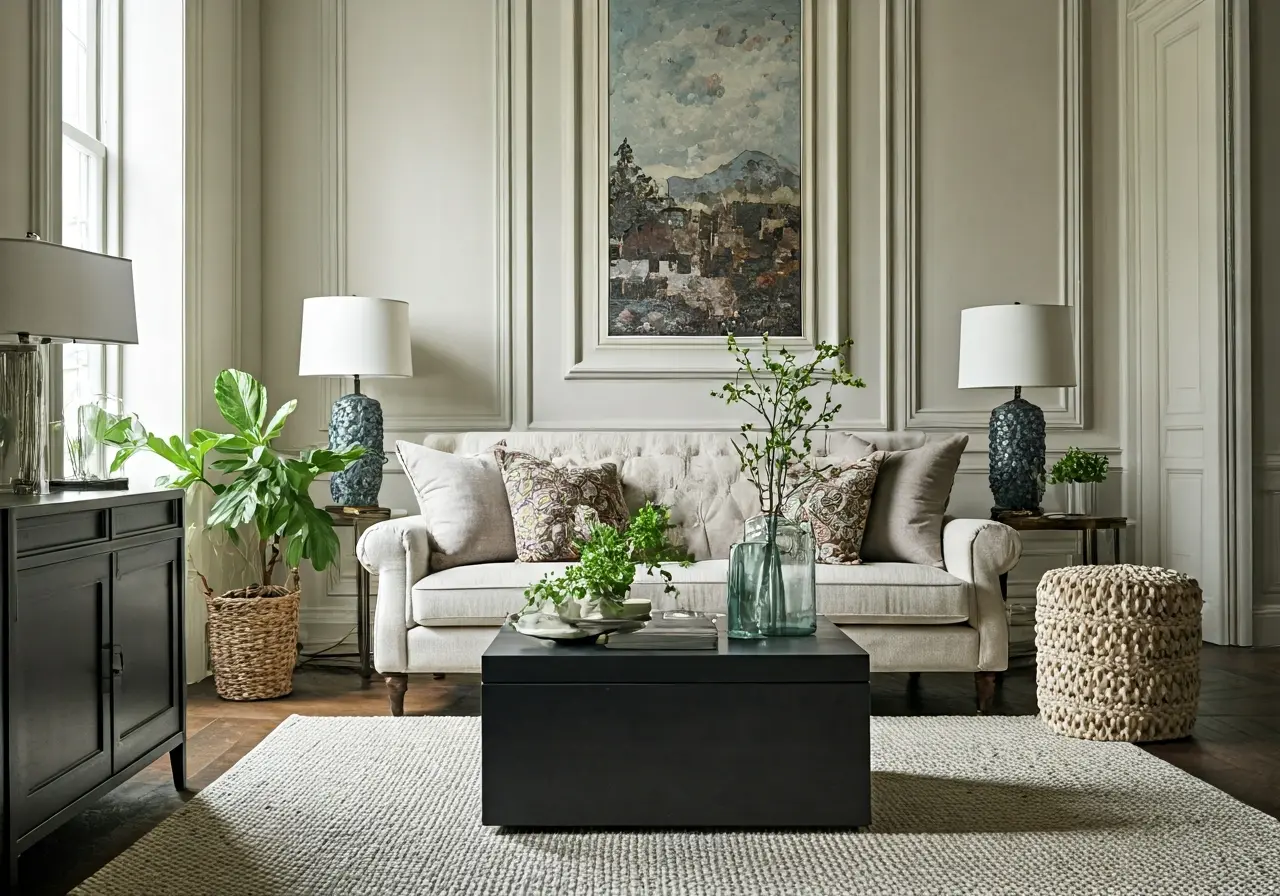
When choosing furniture and decor for staging, the focus should be on simplicity and elegance. The furniture selected should be appropriately scaled to the space, ensuring it doesn’t overcrowd the room. It’s about choosing pieces that highlight the space’s functionality while adding elements that showcase personality and style. Minimalism often works well as it avoids overwhelming the senses. Think of neutral tones as your canvas, with pops of color or unique textures in your decor items to inject character without being too bold.
Additionally, it’s important to ensure that your furniture and decor cater to the demographic you are targeting. For instance, if your property is likely to appeal to young families, ensure spaces are child-friendly yet stylish. On the flip side, if your target market is professional singles or couples, the decor might feature more modern or sophisticated themes.
Maximizing Space to Increase Appeal
Making the most of available space is essential. Techniques like decluttering, smart storage solutions, and optimizing layout can create a sense of openness and comfort.
Maximizing space doesn’t necessarily mean having a large area; it’s about making existing spaces feel larger and more inviting. By applying clever storage solutions and decluttering ruthlessly, you can create a more streamlined environment. This could mean utilizing built-in storage, under-the-bed boxes, or investing in multi-functional furniture items that conserve space.
Optimizing layout also plays a pivotal role. Ensuring that rooms serve their intended function without excess furniture is key. Think about how each piece of furniture aids in the room’s purpose and make adjustments accordingly. Conveying space is crucial, especially in rooms that need to appear larger. Using vertical space effectively with shelving or tall bookshelves can draw the eye up, adding perceived height to the room.
Adding the Finishing Touches: Details that Delight
Small details like fresh flowers, strategically placed mirrors, and cozy textiles can enhance the overall aesthetic of your home, making it more welcoming and attractive to potential buyers. Adding a vase of fresh flowers or a bowl of colorful fruit to a key area like the kitchen or living room can breathe life into these spaces. Mirrors can be used to reflect light and make rooms appear larger and brighter. Cozy textiles such as throws and cushions provide texture and warmth, inviting potential buyers to sit down and feel at home. These small additions show that attention to detail has been paid, often influencing buyers positively.
Is Selling for Cash the Right Choice?
For many, the idea of staging can be a very expensive, time-consuming, stressful prospect. Selling a home “as-is’ for cash offers multiple benefits, from simplifying the legal process to providing financial relief. If you’re looking for a quick, cost-effective, and hassle-free way to sell, cash offers might be your ideal solution.
Consider your timeline, financial goals, and level of desired involvement in the selling process. By consulting with experts and leveraging the insights they provide, you can make an informed decision that best meets your needs. Remember, choosing the right selling strategy is pivotal to ensuring a smooth transaction that aligns with your life circumstances.
Choosing between cash buyers and traditional real estate agent ultimately depends on your personal situation and preferences. However, if a fast, hassle-free, and financially beneficial experience is what you’re after, cash buyers are certainly an option worth considering. For a quick and convenient selling experience, visit MarketPro Homebuyers.


