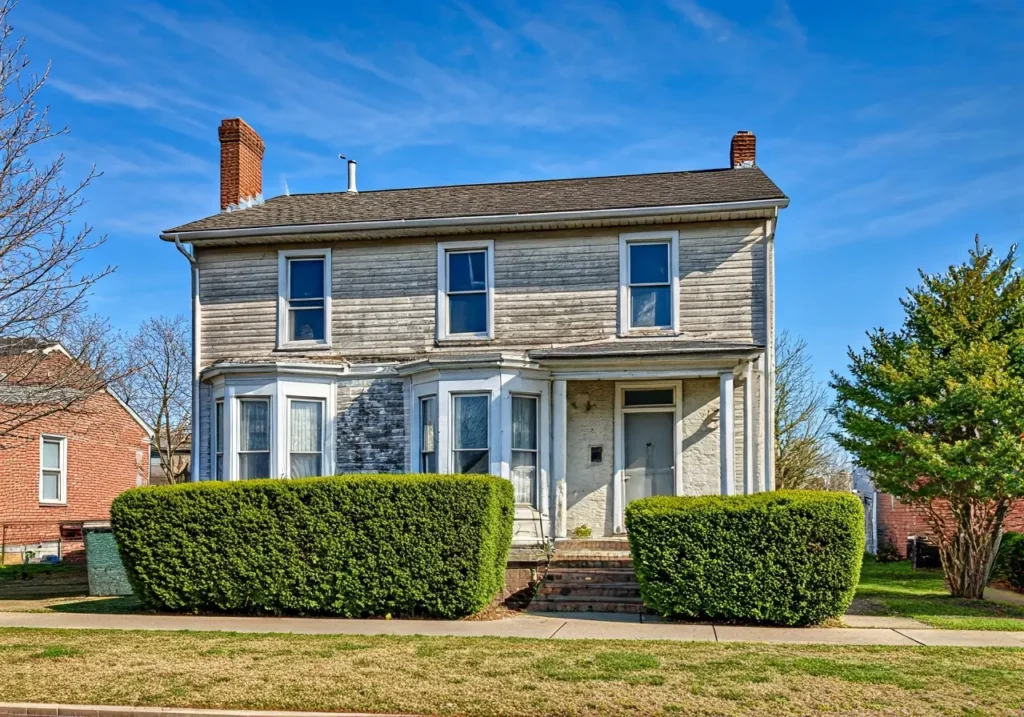
Selling a distressed property can feel like a daunting task, but with the right approach, it can be quick and manageable. In this guide, we’ll explore practical steps to help you sell your distressed property with ease, ensuring you get the best possible deal.
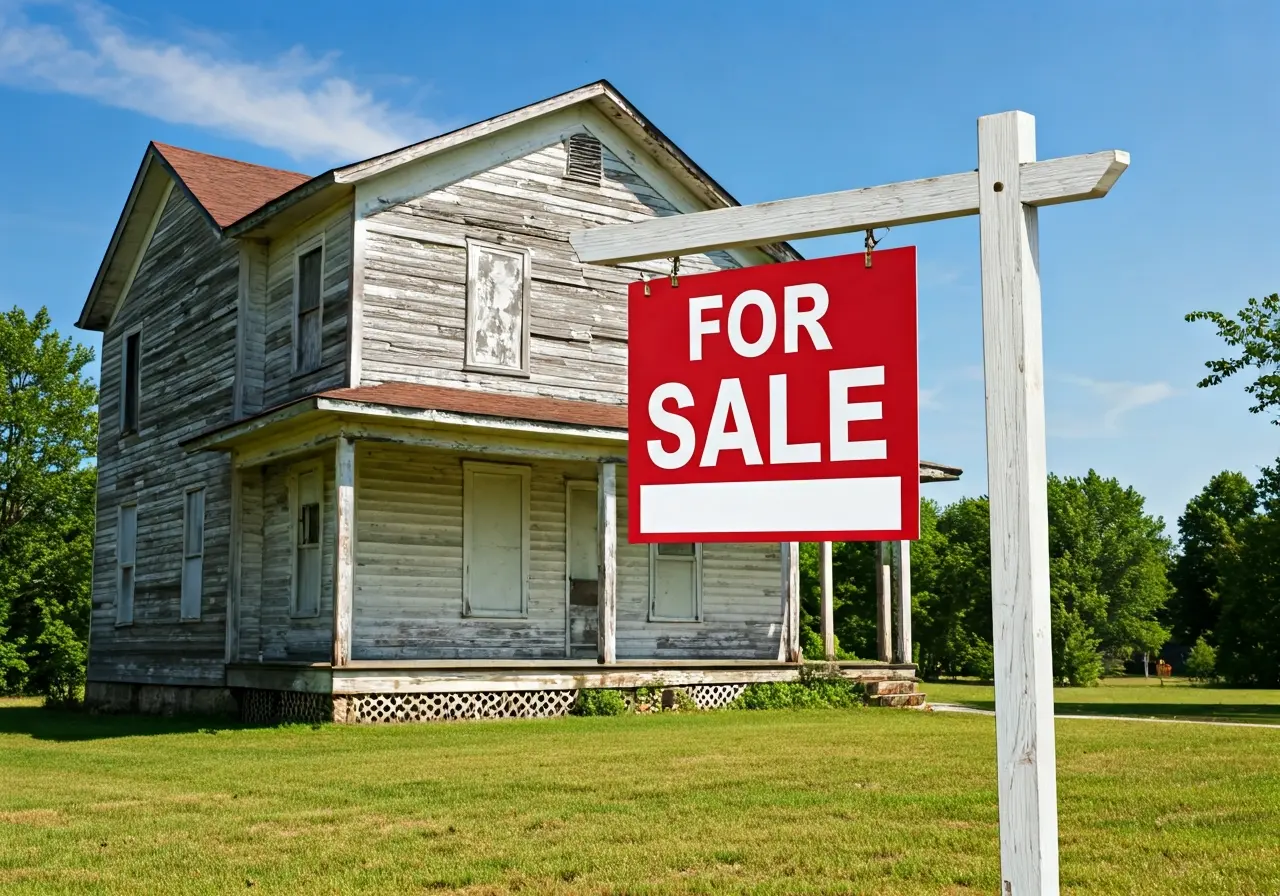
Understanding What Makes a Property Distressed
Before you can sell a distressed property, it’s important to understand what it means. A property is considered distressed when it is in poor condition or when the owner is facing financial difficulties. This could include being behind on mortgage payments or dealing with a property in disrepair. Distress can also be a result of a rapidly declining neighborhood or significant economic downturns affecting the area. Such conditions present unique challenges for sellers, but they also open up different avenues that might not be traditional for a typical property sale.
Recognizing the signs of a distressed property is key to formulating a plan to sell it. Common indicators include overdue taxes, code violations, or liens against the property. Understanding these signs helps homeowners comprehend the various pressures that might drive down property value or deter potential buyers. Moreover, if the property is vacant due to foreclosure proceedings, this can further influence its marketability. With knowledge of these factors, you can strategize effectively to attract buyers who are looking for investment opportunities in distressed properties, which are often priced much lower than market value.
Assessing the True Value of Your Property
To sell your distressed property quickly, it’s crucial to determine its true market value. This means considering its current condition, comparing it to similar properties in the area, and being realistic about what buyers might be willing to pay. An honest appraisal, often provided by a seasoned real estate agent, can offer insights into the aspects that affect its valuation. It’s particularly important to be mindful of both the property’s shortcomings and its potential, such as location advantages or architectural uniqueness. These can be highlighted to draw keen interest from buyers.
Another method to gauge the worth of your property is to scrutinize recent sales of comparable properties in similar condition. This benchmark provides a more reliable basis for pricing your property attractively. Beyond the numbers, understanding market conditions—whether it’s a buyer’s or seller’s market—can also greatly influence pricing decisions. A strategic assessment combining both data and market trends allows for setting a competitive price point, enticing investors and budget homebuyers alike who are willing to renovate for a profit.
Exploring Quick Sale Options
There are several paths to a quick sale. These include selling to a real estate investor, listing it ‘as-is’ on the market, or considering an auction. Each method has its benefits, and choosing the right one can streamline the selling process. For instance, selling to investors often simplifies transactions because they typically buy with cash, sidestepping lengthy mortgage approval processes. This means you can close deals in days rather than months. They often look past surface-level issues, focusing instead on the potential return on investment that the property might offer after renovations.
Another route is taking advantage of an auction. Auctions create an environment where competition among bidders can sometimes drive the selling price higher than expected. However, they require a professional auctioneer and may involve additional fees. It’s also an excellent option when a quick disposal is necessary, such as cases involving bankruptcy or divorce settlements. Furthermore, listing the property ‘as-is’ attracts those specifically looking to buy distressed properties, often with the intention of flipping them for profit. This approach not only speeds up the sale process but also avoids costly repairs that might not yield a high return on investment.
Preparing Your Property for Sale
Even a distressed property can benefit from a little preparation. Simple fixes, decluttering, and cleaning can make a big difference in how prospective buyers perceive your property, potentially increasing its appeal and value. Staging your home, albeit minimally, can also serve to ignite the imagination of buyers. For instance, tidying up the lawn or applying a fresh coat of paint can transform a property from derelict to delightful, even if other parts need significant work. Understanding that first impressions matter can subtly influence a buyer’s perception, making them see the property’s potential instead of its flaws.
Decluttering is another high-impact but low-cost strategy to enhance appeal. Buyers often prefer to visualize the space as theirs, so a tidy, neutral space free from personal knick-knacks helps them imagine potential modifications. This preparatory stage may involve consulting with professionals such as cleaners or painters to tackle necessary tasks efficiently. The investment in minor enhancements can be recouped manifold as it paves the way for a swifter sale and potentially higher offers. After all, conveying a livable, breathable space can make or break a deal in the distressed property market.
The Role of a Real Estate Professional
Working with an experienced real estate agent or a property consultant can be invaluable. They bring expertise, know the market, and can help navigate negotiations and paperwork, ensuring a smoother selling process. Agents especially have access to a wider network of buyers, including real estate investors looking for properties like yours. This exposure can attract serious offers faster than independently listing the home. Additionally, they know how to articulate the selling points of your property, even the distressed aspects, turning potential negatives into opportunities for personalization by the buyer.
Furthermore, real estate professionals can offer invaluable advice on setting an appropriate price for your property. They are equipped to market your property effectively, leveraging online platforms and networks that you may not have access to. They also handle showings, take care of necessary documentation, and hash out the finer points of deals—areas where private sellers might falter. In brief, their comprehensive service can alleviate much of the burden involved in selling distressed properties, allowing sellers to focus on moving forward with fewer headaches.
The Stress-Free Solution: Why Selling to MarketPro Homebuyers is the Smart Choice
Selling a distressed property can be overwhelming, especially when faced with costly repairs, uncertain buyers, and legal complexities. MarketPro Homebuyers offers a hassle-free alternative, allowing you to sell your home quickly and easily regardless of its condition. Instead of dealing with repair costs, staging or lengthy negotiations, MarketPro provides a fair, all-cash offer with a flexible closing timeline that fits your needs. With no agent commissions, hidden fees, or surprises, you can walk away with cash in hand and peace of mind.
If you’re ready to sell your distressed property without the headaches, MarketPro Homebuyers is here to make the process simple and stress-free. Contact us today for a no-obligation offer.