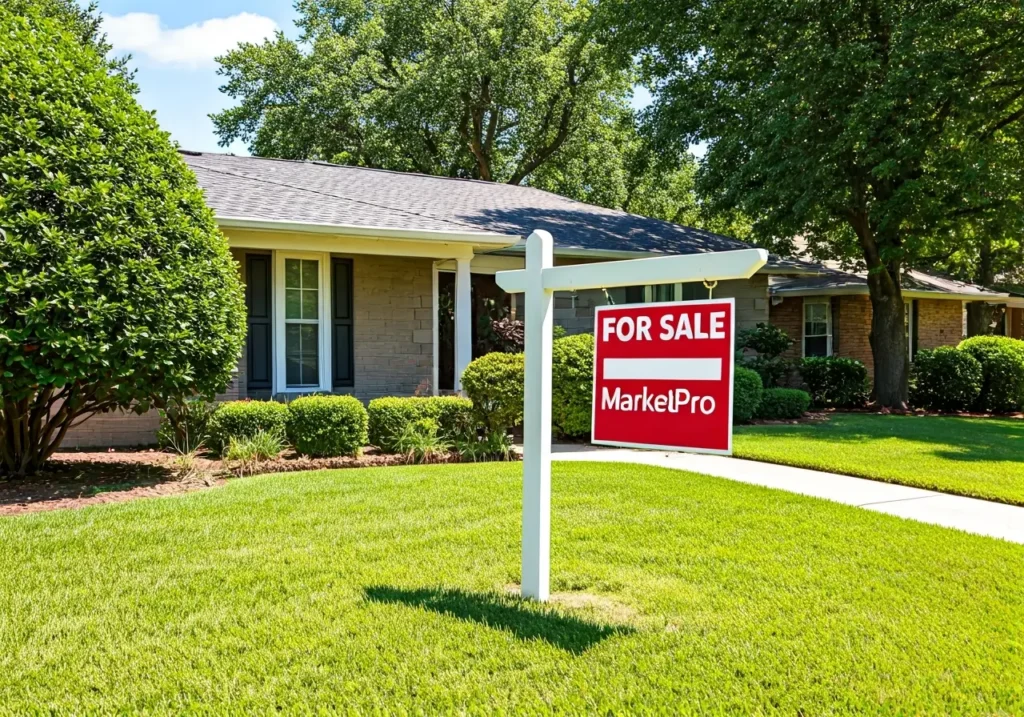
Selling your home can often feel like an overwhelming task, but it doesn’t have to be. With the right strategies, you can prepare your house for sale and navigate the process seamlessly. This guide will walk you through ten invaluable tips to help you sell your home easily in Virginia, without the stress.
1. Understanding the Virginia Real Estate Market
The first step is understanding the unique aspects of the Virginia real estate market. From seasonal trends to knowing the hot areas, gaining insight into the local market conditions can help you set realistic expectations and pricing.
Virginia’s housing market trends vary throughout the year. For example, spring and summer typically see more activity due to the pleasant weather and school vacations, making these seasons some of the best times to list your home. Understanding these cycles can give you a strategic advantage. Additionally, areas like Northern Virginia often experience different market dynamics compared to places like Richmond or Charlottesville. Local expertise can be essential in understanding these nuances. Consulting knowledgeable agents familiar with Virginia’s diverse regions can help you navigate these complexities.
Staying informed about broader market trends can also be beneficial. For instance, knowing when there’s a high demand for family-friendly neighborhoods or when interest rates are predicted to change can guide your decisions. Engaging with resources such as real estate news websites or local community forums can keep you updated and better prepared for any shifts in buyer behavior.
2. Decluttering and Depersonalizing Your Space
Potential buyers need to envision themselves in your home. An easy way to help them is by decluttering and depersonalizing the space. Remove personal photos and excess items to make your home more inviting.
Begin by tackling one room at a time, focusing on removing unnecessary furniture and knick-knacks that can make spaces look smaller. Organized closets and cabinets suggest there’s ample storage space, which is always a plus for buyers. Donating or storing non-essential items can be a great way to declutter effectively. Keep surfaces clean and remove any personal collections, no matter how impressive they may be to you. The goal is to create a neutral canvas for buyers to imagine their own life within the home.
Creating a welcoming atmosphere also involves tending to the sense of smell in your home. Make sure to dispose of any stale smells or use lightly scented candles to keep it pleasant. This helps buyers focus solely on the space, rather than on any off-putting distractions.
3. Making Necessary Repairs and Upgrades
Before listing your property, address any necessary repairs or upgrades. Fix leaky faucets, replace broken tiles, and consider freshening up with a coat of paint. Small improvements can have a big impact on potential buyers.
The kitchen and bathrooms often sway buyers’ opinions and can justify a higher asking price if updated correctly. Consider simple updates such as replacing outdated light fixtures, modernizing cabinet hardware, or installing new faucets. Not only do these upgrades make your home look more appealing, but they also show buyers you’ve maintained the property well, reducing perceived risks of future repairs.
Don’t overlook your home’s curb appeal, as first impressions are formed before a potential buyer even steps inside. Landscaping updates and a new front door are some easy and effective ways to improve initial impressions. These minor investments can pay large dividends when it comes to selling your home quickly and for a better price.
4. Staging Your Home to Attract Buyers
Staging your home can highlight its strengths and downplay its weaknesses. Consider hiring a professional stager or using simple tricks, like rearranging furniture and adding fresh flowers, to make your home more appealing.
Professional stagers can provide a neutral perspective, understanding how to highlight each room’s strengths. However, if hiring a pro isn’t in the budget, start by rearranging existing furniture to open up spaces and improve flow. Lightly scented candles, plush towels, and soft music can create a calm, inviting environment. Adding fresh flowers isn’t just an aesthetic boost — they also signal that the home is well-cared-for, a subtle but effective touch that resonates with many buyers.
Staging extends to digital spaces as well. Ensure that the online listing, complete with high-quality photos, reflects the best features of your home beautifully. Virtual tours can be a great asset, allowing out-of-state or busy buyers to experience their future home with ease.
5. Capturing High-Quality Photos
First impressions are often made online, so high-quality photos are crucial. Consider hiring a professional photographer to capture your home in the best light, ensuring each room looks both spacious and inviting.
Photos bring buyers to your door; the higher the quality, the better your chances of attracting attention. A skilled photographer will not only understand lighting and angles but also how to emphasize your home’s unique features and desirable aspects. Ensure photos are taken during the day, leveraging natural light to showcase your home’s best angles. Little details, such as open blinds and tidy spaces, contribute significantly to the overall beauty of your property in photographs.
6. Setting the Right Price
Pricing your home correctly is essential for a quick sale. Work with a knowledgeable real estate agent to evaluate comparable properties and set a competitive price that reflects the current market conditions.
Overpricing can lead to your home sitting on the market too long, which may decrease its perceived value over time. Conversely, underpricing might quicken the sale, but at the cost of money left on the table. The idea is to aim for a sweet spot, drawing in interested buyers while maximizing your profit. An experienced agent is invaluable in this process, providing insight into local market trends and recent sales data. Comprehensive market analysis, which compares your home’s characteristics with similar properties, can guide the pricing strategy effectively.
7. Choosing the Right Real Estate Agent
A skilled real estate agent can be your biggest asset during the selling process. Look for someone with experience in your local area and a proven track record of successful sales.
When selecting an agent, consider their marketing techniques, negotiation skills, and past client testimonials. A good real estate professional should not only list your home but actively market it, using a mix of online and offline strategies to reach the right audience. Solid negotiation skills are necessary to ensure you secure the best possible deal. By interviewing agents and checking references, you can find a partner who aligns with your goals and selling strategy.
8. Preparing for Open Houses and Showings
Prepare your home for open houses by ensuring it is clean and welcoming. Consider baking cookies or brewing coffee to create a warm, inviting atmosphere for potential buyers viewing the home.
On the day of a showing, ensure that your home is clean and carefully arranged to display what it offers best. Lock away any personal and valuable items. Atmosphere matters: a pleasant scent from freshly baked cookies or coffee is a delightful touch to convey a warm and hospitable feeling. Most importantly, look at your home from an outsider’s perspective. Consider asking a friend to walk through as a mock-buyer and give feedback, ensuring you’ve created the most welcoming space possible.
9. Being Flexible with Showings
Flexibility in scheduling showings can increase your chances of a faster sale. Be accommodating and ready to show your home at various times to accommodate potential buyers’ schedules.
It’s important to remember that interested buyers often have tight schedules. While it might be inconvenient to have your home ready for viewings at short notice, every showing is an opportunity you don’t want to miss. Offering alternate showing times, such as early mornings or later evenings, can widen your pool of potential buyers considerably.
10. Navigating Offers and Negotiations
Once offers start coming in, it’s important to stay calm and evaluate them carefully. Discuss each offer with your real estate agent and be open to negotiation to find the best deal for your situation.
Each offer is unique and should be considered carefully with your agent. Evaluate not just the amount but the terms: are there contingencies involved? Is the buyer pre-approved for a mortgage? All this information feeds into whether their proposal is reliable. Remember, negotiation isn’t just about counteroffers; sometimes, it’s about flexibility on closing timelines or including certain home features in the sale. By staying open-minded and considering all aspects of an offer, you can work towards a solution that meets your selling goals.