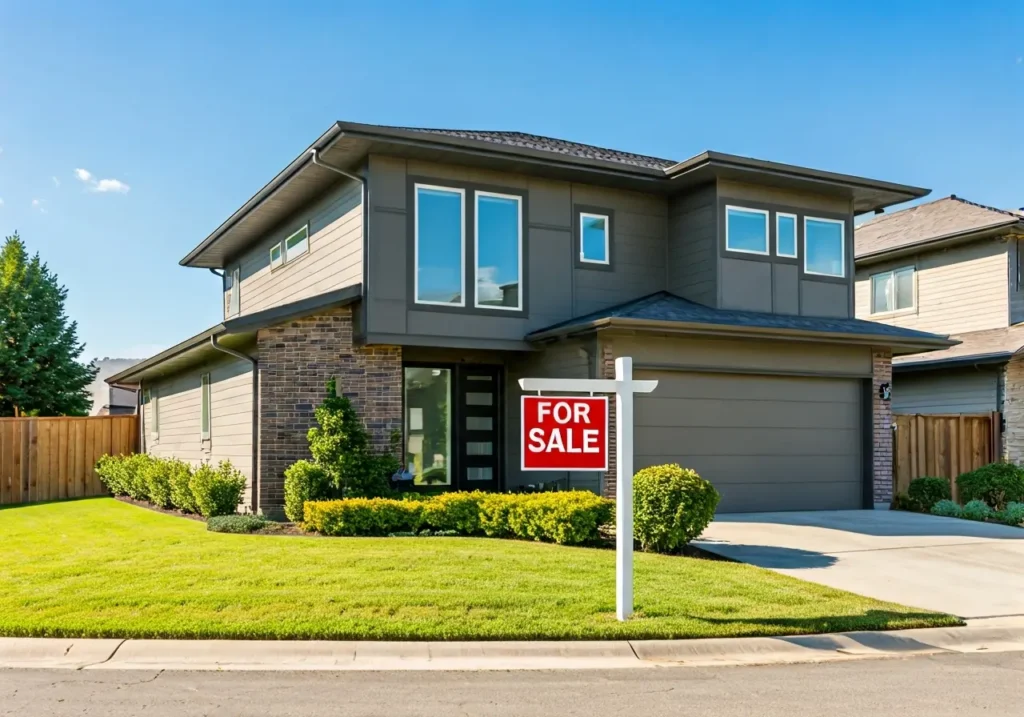
Navigating the real estate market in the District of Columbia can be a complex task, whether you’re buying or selling a house. With unique regulations, bustling neighborhoods, and fluctuating prices, understanding the ins and outs is crucial. This FAQ will guide you through the essential aspects of selling and buying a home in this dynamic area.

Understanding the DC Housing Market
The District of Columbia housing market is known for its diversity and competitive nature. Familiarize yourself with current market trends, average prices, and future forecasts to make informed decisions.
One of the unique features of the DC housing scene is its rapid fluctuation in property values. This fluctuation is largely due to the city’s political significance, attracting a constant influx of professionals and transient residents. Understanding the dynamics of the DC market can give potential buyers and sellers an edge in finding the right opportunities.
Moreover, DC neighborhoods vary significantly in price points and community ambiance. Areas like Georgetown and Capitol Hill are highly desirable for their historical charm, whereas places like Columbia Heights offer a more diverse, vibrant atmosphere. Knowing these neighborhoods can help tailor your search to fit specific lifestyle needs.
Additionally, staying updated on new housing developments can reveal up-and-coming areas with growth potential, presenting new opportunities for investment or settling down.
Essential Steps to Buying a House
From securing a mortgage to making an offer, buying a home in DC requires careful planning and financial assessment. Learn the steps needed to secure your dream home in a desired neighborhood.
One of the initial steps in purchasing a home is understanding your financial capability. This includes assessing your credit score, savings, and overall budget. Having a pre-approved mortgage offers a stronger stance during negotiations and can speed up the purchasing process.
When it comes to choosing the right property, reflect on what neighborhoods best align with your lifestyle and proximity to work. Using a local real estate agent familiar with the DC area is invaluable in navigating neighborhood options and finding listings that might not be widely advertised.
Finally, make sure you understand the offer process, which can be competitive in popular areas. Working closely with your real estate professional ensures that your offer is attractive and positioned favorably against others.
Key Considerations for Selling Your Home
Selling a property in DC involves strategic pricing, effective marketing, and understanding of the closing process. Discover how to prepare your home to attract potential buyers.
Setting the right price for your home is crucial in attracting potential buyers. A price too high may discourage interest, while a price too low might not maximize your return. Conducting a comparative market analysis will give insights into appropriate pricing strategies.
Effective marketing is another critical factor in expediting the selling process. This includes professional photographs, staging, and online listings that spotlight your home’s unique features and strengths.
Finally, understanding the closing process, including inspections, appraisals, and potential negotiations, will prepare you to handle any hurdles smoothly. Consider consulting a real estate attorney to ensure all paperwork and legal matters are appropriately managed.
Navigating DC’s Real Estate Regulations
DC has specific laws and regulations affecting real estate transactions. Ensure compliance and avoid common pitfalls by being aware of these regulations.
Real estate regulations in DC can differ from those in other states, particularly in terms of property taxes, tenant rights, and environmental laws. For instance, understanding requirements for condo sales and co-op transitions can save time and prevent legal complications.
To ensure compliance with all local laws, consider engaging with a DC real estate lawyer who can offer expert guidance and streamline regulatory processes for both buyers and sellers.
How A Cash Buyer Can Help
A cash buyer helps by providing the seller with a faster, less complicated closing, making their offer more attractive. For the homeowner buying and selling simultaneously, securing a cash offer on their current home allows them to use those funds to buy their next home without a home sale contingency, eliminating the need for temporary housing and providing a convenient overlap period to move into their new place.
Benefits for the homeowner buying and selling:
- Stronger Offers:
A cash offer on your current home is appealing to sellers because it’s a “chain-free” transaction, meaning it doesn’t depend on another buyer’s financing falling through. - Eliminates Contingencies:
By having a cash offer accepted, you remove the need for a home sale contingency in your new home’s offer, making your bid more competitive. - Convenience and Flexibility:
A cash sale allows for a flexible closing date, letting you move into your new home before your old one is sold, avoiding temporary housing, storage costs, and double moves. - Financial Advantage:
The funds from the cash sale of your home provide the financial flexibility to purchase your new home without needing to dip into savings or secure a bridge loan.
How It Works:
- Receive Cash Offer: You receive a cash offer on your existing home from a cash buyer.
- Use Funds for New Purchase: You use the proceeds from this cash sale to buy your new home.
- Overlap Period: You can move into your new home while your old home is still on the market.
- Finalize Sale: You then finalize the sale of your old home.

Final Thoughts on Real Estate in DC
When selling and buying a home in the District of Columbia, being informed about the local market trends, regulations, and processes will put you in a stronger position. Remember that working with local professionals can ease the journey and help you make the best decisions. The key is preparation, understanding, and choosing the right support to guide you through one of life’s most significant financial transactions. For more guidance and personalized advice, consider reaching out to us at MarketPro Homebuyers.